ヒルドイドは、市販されていない医薬品です。医療用として使われているので、処方箋なしでは薬局で購入できません。しかし、ヘパリン類似物質が含まれた市販薬はあるので、ヒルドイドの代用になるでしょう。
このページでは、ヒルドイドが市販されていない理由について説明します。また、ヒルドイドと同じ有効成分、「ヘパリン類似物質」が含まれた市販薬を4つ紹介。最後に、市販のヘパリン類似物質が含まれた塗り薬が、赤ちゃんや子供に使えるのかどうかを解説します。
もくじ
ヒルドイドは市販されていない

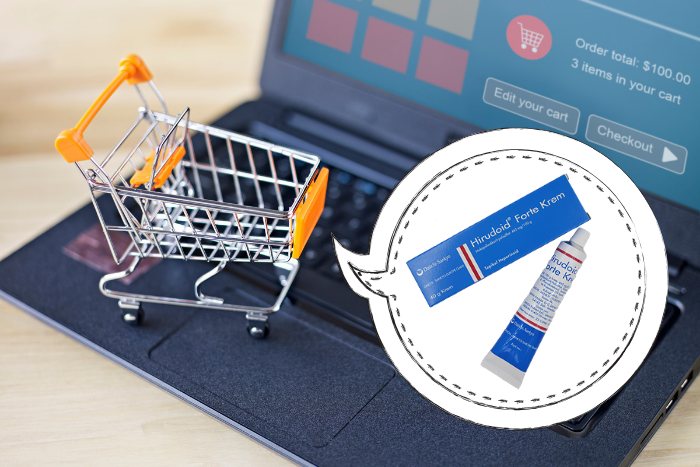
ヒルドイドは医療用医薬品なので、残念ながら市販はされていません。しかし、同じ有効成分「ヘパリン類似物質」が含まれた市販薬はあります。
ヒルドイドは医師に処方してもらう
ヒルドイドは医療用医薬品なので、市販はされておらず、処方箋なしでは買えません。
医療用医薬品とは、医師が出した処方箋に基づいて薬剤師が調剤し、患者が受け取る医薬品です。医療用医薬品は、薬局へ行っても自由には購入できません。ヒルドイドを入手する際も、病院へ行って処方箋をもらう必要があります。つまり、ヒルドイドそのものは市販されていないのです。
ヘパリン類似物質が含まれた市販薬がある
ヒルドイドと同じくヘパリン類似物質が含まれる医薬品でも、一般用医薬品として市販されている商品もあります。
医療用医薬品に対して、ドラッグストアなどで市販されている薬は、一般用医薬品(OTC医薬品)と呼ばれます。処方箋がなくても、手軽に購入が可能です。
ヘパリン類似物質が含まれる商品は、一般用医薬品のなかでは「第2類医薬品」に分類されます。できる限り薬剤師からの説明を受け、説明書をよく読んで使用しましょう。
ヒルドイドと同じヘパリン類似物質が含まれる市販薬
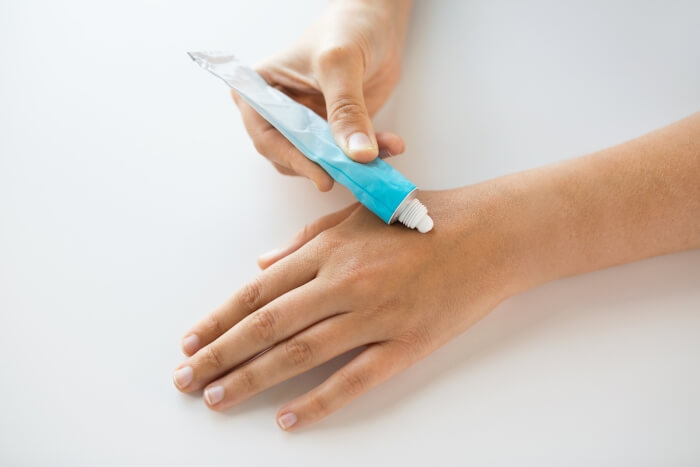
ここでは、ヘパリン類似物質が含まれている薬のなかから、ドラッグストアなどで市販されている商品を紹介します。
- ヘパソフトプラス(ロート製薬)
- フェルゼア ヘパキュアクリーム(資生堂)
- ピアソンHPクリーム(新新薬品工業)
- さいきa治療ローション(小林製薬)
この4つの市販薬について、効果や値段を見ていきましょう。
ヘパソフトプラス(ロート製薬)
ロート製薬の「ヘパソフトプラス」は、かゆみを伴う乾燥肌に効果があるクリームです。では、内容量や値段、成分の情報を表で見てみましょう。
| 内容量 |
|
| 値段(税抜き) |
|
| 有効成分 |
|
ヒルドイドと異なる成分を見ていきましょう。ヘパリン類似物質に加えて、かゆみを抑える成分である、パンテノールとクロタミトンが含まれています。ジフェンヒドラミンは抗ヒスタミン薬に分類されており、アレルギー反応を抑える成分です。
フェルゼア ヘパキュアクリーム(資生堂)
資生堂の「フェルゼア ヘパキュアクリーム」は、かきむしって傷のできた肌に効果が期待できるクリームです。ヘパキュアクリームの内容量や値段、成分を見ていきましょう。
| 内容量 | 90g |
| 値段(税抜き) | 1,600円 |
| 有効成分 |
|
ヒルドイドと異なる有効成分は3つです。ジフェンヒドラミンはアレルギー反応を抑えます。アラントインは、傷の回復を促進する成分です。トコフェロール酢酸エステルは、荒れた肌を整えてくれます。これらの作用で、荒れてかきこわした乾燥肌の改善が期待できます。
ピアソンHPクリーム(新新薬品工業)
新新薬品工業の「ピアソンHPクリーム」は、乾燥肌や角化症に有用なクリームです。角化症とは、かかと、ひじなどの皮膚が分厚く、硬くなる症状です。ピアソンHPクリームの基本情報を表で紹介します。
| 内容量 | 50g |
| 値段(税抜き) | 1,800円 |
| 有効成分 | ヘパリン類似物質 |
主成分はヒルドイドと同じく、ヘパリン類似物質のみです。含まれるパーセンテージも同じ0.3%なので、効果はほぼ変わらないと考えてよいでしょう。
ただし、添加物が微妙に異なるので、ヒルドイドを塗って問題なかった人でも、肌荒れなどが起こるケースは考えられます。
さいきa治療ローション(小林製薬)
小林製薬の「さいきa治療ローション」は、乾燥でひび・あかぎれができた肌への効果が期待できます。さいきa治療ローションの内容量や値段、成分を表で紹介します。
| 内容量 |
|
| 値段(税抜き) |
|
| 有効成分 |
|
ヒルドイドと異なる成分は、グリチルリチン酸二カリウムとアラントインの2種類です。グリチルリチン酸二カリウムは、抗炎症作用があります。アラントインの作用は、傷の回復の促進です。
ヘパリン類似物質の市販薬は赤ちゃんから使える
ヘパリン類似物質が含まれた市販薬は、赤ちゃんや子供の肌にも使えます。ヒルドイドも赤ちゃんから使える薬なので、同じ有効成分の市販薬も問題ないでしょう。
しかし、ヘパリン類似物質に加えて、別の有効成分が含まれている市販薬も多くあります。市販薬はそれぞれ含まれる成分が異なるため、購入の前に年齢制限があるのかどうか確認してください。心配であれば「赤ちゃんから使える」「子供用」などと明記されている商品を選びましょう。
医薬品は赤ちゃんや子供の手の届かないところで保管し、必要な際は必ず親御さんが塗ってあげてくださいね。
まとめ
ヒルドイドは市販されていない薬です。しかし、代用品として、ヘパリン類似物質が含まれた市販薬はあります。病院で処方してもらうのが面倒な場合、市販薬を使ってみるのもよいでしょう。
また、市販薬なら、ヘパリン類似物質に加え、ほかの有効成分が含まれている塗り薬もあります。かゆみが強いなど、症状によっては市販薬の方が効果を発揮する場合もあるでしょう。
ヒルドイドは赤ちゃんから使える薬なので、同じヘパリン類似物質が含まれる市販薬も、赤ちゃんから使えると考えられます。しかし、市販薬は商品ごとに含まれる成分が異なるので、購入の前に年齢制限を必ず確認してください。